The television landscape is a vast, ever-evolving ecosystem, where meticulously crafted narratives often meet the unpredictable magic of human connection. Sometimes, a character written for a mere handful of scenes, a guest star fleeting through the foreground, sparks an unforeseen chemical reaction that profoundly reshapes the very DNA of a show. This isn't just about adding a new face; it's about the seismic "Guest Stars & Recurring Character Impact" that can redefine plots, deepen relationships, and, quite often, launch careers into the stratosphere.
At a Glance: The Power of Unplanned Character Arcs
- Guest vs. Recurring: Understand the subtle but crucial difference between a one-off appearance and a character who sticks around.
- Breakout Potential: Discover why certain guest roles resonate so strongly, demanding more screen time.
- Creative Evolution: See how writers and showrunners adapt storylines to accommodate beloved new characters.
- Career Catalyst: Learn how these expanded roles become pivotal moments for actors.
- Show Transformation: Explore how a single character can fundamentally alter a series' direction, themes, and even spawn spin-offs.
- Beyond TV: Recognize the phenomenon of recurring character impact across various media.
The Unscripted Spark: When a Guest Becomes a Game-Changer
In the world of serialized storytelling, a guest star is typically a character with a defined, limited purpose: to move a specific plot point forward, offer a contrasting viewpoint, or serve as a temporary foil. A recurring character, however, appears frequently but isn't part of the main cast. The line between these two, especially at the outset, is often blurry. What makes a guest character transcend their initial brief and become a recurring fixture, or even a series regular? It's frequently an alchemy of exceptional performance, immediate on-screen chemistry, and an undeniable resonance with the audience.
Think about Andy Dwyer on Parks and Recreation. Chris Pratt was initially brought on for a six-episode arc in the first season as Ann Perkins' lovable slacker boyfriend. His comedic timing, physical humor, and ability to make a seemingly one-note character genuinely endearing were instant hits with both viewers and producers. Instead of fading away as Ann's relationship with Mark Brendanawicz developed, Andy's role was expanded. By the end of season one, he was a main character, a testament to Pratt's magnetic portrayal. This wasn't just a win for the show; it was a launchpad that undeniably propelled Pratt's later blockbuster film career.
Similarly, Jesse Pinkman from Breaking Bad was originally slated to die at the end of the first season. Creator Vince Gilligan quickly realized the unique dynamic between Jesse and Walter White, and more importantly, Aaron Paul's remarkable ability to infuse a seemingly simple drug dealer with such complex vulnerability and humanity. By the second episode, Gilligan scrapped the original plan. Jesse wasn't just a plot device; he was an essential emotional core of the series, a character whose moral struggles and loyalty became central to the show's dark journey. Paul's distinctive delivery and character shaping transformed Jesse from a footnote to an unforgettable, deeply layered figure.
These aren't isolated incidents. Lyanna Mormont from Game of Thrones was intended for just one scene. Yet, Bella Ramsey's fierce, commanding performance as the young, no-nonsense leader of House Mormont captivated everyone. Her gravitas, delivered in a pint-sized package, immediately made her a fan favorite. Showrunners felt compelled to expand her role, leading to her powerful presence throughout later seasons, culminating in her unforgettable sacrifice in the Battle of Winterfell. It's a prime example of how a single, powerful performance can literally change the course of epic storytelling.
From Fleeting Appearances to Deep Lore: The Character Arc Evolution
Once a guest character hooks the audience and the creative team, the real work begins: integrating them organically into the existing narrative tapestry. This isn't always easy, as their sudden prominence can shift established dynamics and require significant rewrites. But when done well, it enriches the entire series.
Consider Arizona Robbins on Grey's Anatomy. Jessica Capshaw was initially cast for a mere three-episode arc in season five. However, her character’s infectious optimism, distinctive "wheels" (roller shoes), and remarkably empathetic approach to pediatric patients quickly endeared her to viewers. Her chemistry with fellow surgeon Callie Torres also resonated powerfully, leading to one of the show's most beloved and enduring LGBTQ+ relationships. Arizona became a series regular, staying with the show until season fourteen, her character arc exploring themes of love, loss, motherhood, and professional dedication.
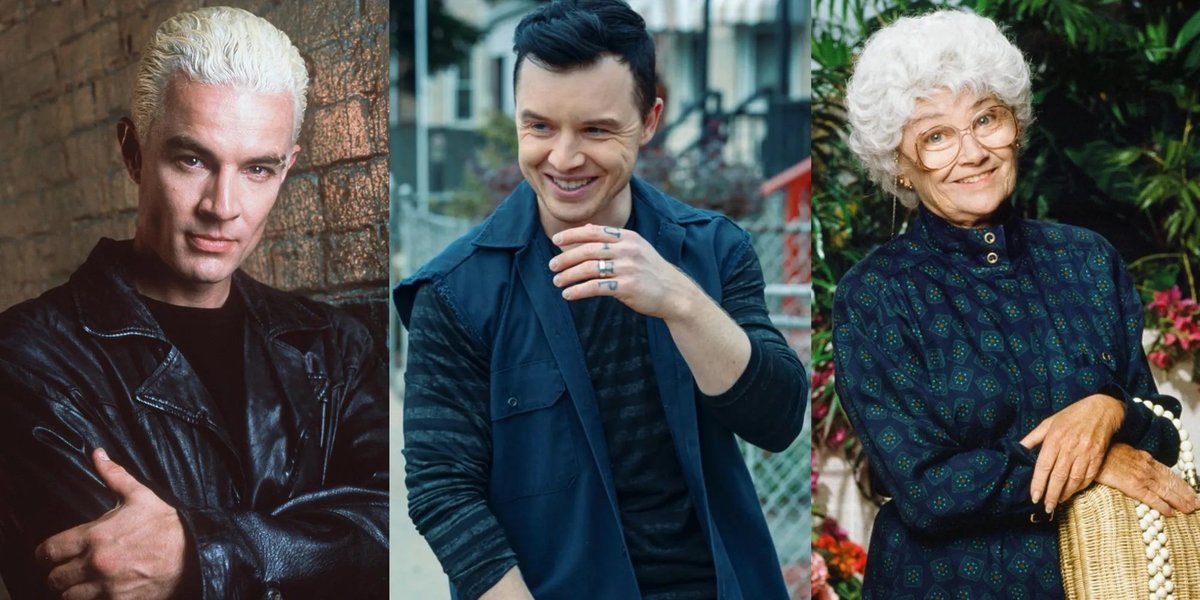
Mickey Milkovich from Shameless provides another compelling case. Scheduled for only three episodes, Noel Fisher's intense, nuanced portrayal of the troubled, volatile Mickey convinced showrunner John Wells to write a far more extensive plot. Mickey's journey, particularly his groundbreaking and deeply complex relationship with Ian Gallagher, became a cornerstone of the series. From a one-note antagonist, Mickey evolved into a fan favorite known for his sharp one-liners and powerful emotional depth, showcasing the transformative power of a character exceeding expectations.
Sometimes, the expansion is less about immediate fan adoration and more about an undeniable creative spark. Lenny Bruce on The Marvelous Mrs. Maisel was initially conceived for just the pilot. However, Luke Kirby's magnetic portrayal and his undeniable, simmering chemistry and tension with Midge Maisel were too potent to ignore. He became a recurring presence, serving as Midge's mentor, confidant, and a tantalizing romantic possibility, enriching the show’s historical context and Midge's personal journey.
Even in high-concept fantasy, this phenomenon holds true. Castiel in Supernatural, portrayed by Misha Collins, was planned for a three-episode arc. But the stoic, often confused angel's natural humor and profound dynamic with Dean Winchester quickly garnered immense fan demand. Creator Erik Kripke embraced this, developing extensive plotlines exploring Castiel's dedication, moral dilemmas, and often awkward adaptation to Earthly customs. What began as a brief appearance blossomed into a 12-year role, making Castiel as integral to the show's mythology as the Winchester brothers themselves. The impact of such unplanned expansions is a testament to the dynamic nature of TV production.
The Actor's Breakthrough: Launching Stardom from the Sidelines
For actors, securing a guest or recurring role can be a make-or-break moment. It’s an opportunity to showcase talent, and if the stars align, it can catapult them into a new echelon of their career. The examples here are numerous and inspiring.
Chris Pratt’s transformation from Andy Dwyer to Hollywood A-lister in films like Guardians of the Galaxy and Jurassic World is perhaps the most well-known. His Parks and Recreation role allowed him to display his range, charm, and comedic genius, proving he was capable of carrying a significant narrative load. Similarly, Aaron Paul's career before Breaking Bad included many guest spots, but Jesse Pinkman gave him an undeniable platform, leading to multiple Emmy wins and a successful film career.
The dramatic impact extends beyond comedy and drama. Bella Ramsey, now a global sensation for The Last of Us, first truly broke through with her unforgettable performance as Lyanna Mormont. It showcased her incredible acting chops at a young age, proving her ability to command a scene despite limited screen time. These roles aren't just character expansions; they are pivotal career springboards.
Even characters initially designed for pure villainy can evolve into beloved anti-heroes, completely changing an actor's trajectory. Spike from Buffy the Vampire Slayer, played by James Marsters, was introduced as a punk rock vampire villain. Creator Joss Whedon initially envisioned him as a one-off. However, Marsters’ charismatic portrayal, coupled with a surprising depth and wit, made him too popular to kill off. Spike evolved from a formidable foe to a complex anti-hero, eventually becoming a love interest for Buffy and a central figure in the series, securing Marsters' place in pop culture history.
Shaping the Story: How Recurring Characters Redefine Narratives
Beyond the individual character's arc, the integration of an unexpected breakout character can fundamentally alter the entire show's narrative direction, its themes, and the relationships between existing characters. These characters don't just fill space; they create new narrative possibilities.
Take Sophia Petrillo from The Golden Girls. Estelle Getty was not originally conceived as a main character, but rather for occasional guest appearances. However, her sharp wit, biting one-liners, and incredible chemistry with Bea Arthur (Dorothy), Rue McClanahan (Blanche), and Betty White (Rose) made her indispensable. She replaced the initial butler, Coco, becoming the fourth main character. Sophia's presence, with her often outrageous stories and no-nonsense attitude, added a unique comedic flavor and an intergenerational dynamic that was crucial to the show's iconic success.
Similarly, Eli Gold on The Good Wife, brilliantly portrayed by Alan Cumming, began as a recurring character, a high-stakes political operative. His strategic brilliance, moral ambiguity, and cutting humor made him a fan favorite, leading to his promotion to a main cast member. Eli's increasingly central role deepened the show's exploration of political maneuvering, personal ethics, and the intertwined lives of the characters, adding a layer of sophisticated political drama.
Even characters designed to be quirky sidekicks can become cultural phenomena that completely redefine their shows. Steve Urkel on Family Matters was originally intended as a one-time guest appearance. Jaleel White’s portrayal of the nerdy, suspender-wearing neighbor was so overwhelmingly popular that he quickly became the show's breakout star. Urkel’s zany inventions and catchphrases not only drove much of the show’s comedic plotlines but fundamentally shifted its focus from the Winslow family to his antics, arguably becoming more famous than the show itself.
In more recent examples, Steve Harrington (Stranger Things) began as a typical jock antagonist but developed into a beloved, protective "babysitter" figure, drastically changing his initial characterization and adding unexpected heart. Felicity Smoak (Arrow) started as a quirky IT specialist with a limited role but became a central love interest and a core member of Team Arrow, influencing the show's romantic and heroic storylines. These shifts highlight how dynamic writing rooms respond to audience feedback and the creative opportunities presented by exceptional talent.
The Ultimate Endorsement: Spin-Offs and Franchises
The pinnacle of recurring character impact is when a character becomes so iconic and beloved that they can carry their own show. This is the ultimate testament to their resonance and the enduring strength of their story.
The most famous example is arguably Dr. Frasier Crane, who originated on the hit sitcom Cheers. Kelsey Grammer's portrayal of the intellectual, often pompous yet endearing psychiatrist was so successful that when Cheers ended, NBC launched Frasier. This spin-off became a critical and commercial success in its own right, running for eleven seasons and winning multiple Emmys. It expanded Frasier's world, delving deeper into his family dynamics and professional life, proving the character's standalone appeal.
Another classic instance is Angel from Buffy the Vampire Slayer. David Boreanaz played the brooding vampire with a soul, a central love interest for Buffy. His tortured romantic arc and heroic journey resonated deeply with fans, prompting Joss Whedon to create the spin-off Angel. This series explored Angel's life in Los Angeles, his fight against evil, and his quest for redemption, offering a darker, more adult companion to Buffy. The meticulous world-building that allows for such expansions often has parallels in detailed franchise developments, like those seen in the Star Trek TNG Season 5 Hub, where a rich universe continually offers new avenues for storytelling and character exploration.
This phenomenon isn't limited to dramatic or comedic series. In sketch comedy programs like Saturday Night Live, recurring characters often become immensely popular features. Characters such as The Church Lady (Dana Carvey) or Wayne and Garth (Mike Myers and Dana Carvey) transcended their weekly sketches, sometimes leading to their own successful TV shows or movies. This demonstrates the power of a strong, memorable character, even if their initial appearance is brief.
Beyond the Screen: Recurring Icons in Other Media
The impact of recurring characters isn't confined solely to television. This principle extends across various forms of media, proving the universal appeal of characters who unexpectedly steal the spotlight.
In classic comic strips, recurring characters often add flavor and expand the universe of the main protagonist. Take The Shmoo from Al Capp's Li'l Abner. Initially appearing in 1948, the Shmoo was a bizarre, lovable, pear-shaped creature that gave everything people wanted and multiplied rapidly. It was an instant sensation, sparking a merchandising frenzy and becoming a cultural phenomenon that far outstripped its creator's expectations for a minor storyline. Its philosophical implications and pure absurdity made it a beloved, recurring presence.
Similarly, in literature, minor characters often develop a following. Inspector Lestrade in Sir Arthur Conan Doyle's Sherlock Holmes stories is a recurring character, a Scotland Yard detective who is competent but often outshone by Holmes. While not the focus, his consistent presence provides a foil for Holmes's brilliance and anchors the stories in the reality of London's police force. His recurring appearances solidify the world and provide a familiar face for readers.
Even in the fast-paced world of American daytime soap operas, the concept of recurring characters is crucial. These roles are played by non-contract actors, historically known as "day players." While some may be truly one-off, many become recurring presences – a doctor, a bartender, a judge – who pop in and out of the narrative as needed, adding continuity and texture without the full commitment of a main contract. Their frequent, if sometimes brief, appearances contribute to the long-running, intricate narratives of these shows.
The Delicate Balance: When More Isn't Always Better
While the expansion of a guest or recurring character often leads to success, it's not without its pitfalls. Creative teams must walk a fine line to ensure that expanding a role doesn't inadvertently damage the show.
One common issue is overexposure. A character who is charming in small doses might become annoying or one-dimensional when given too much screen time. The mystery or unique quality that made them appealing can diminish under the weight of constant scrutiny. There’s a risk of turning a beloved spice into the main course, and sometimes, the flavor gets lost.
Another challenge is changing the character too much to fit new storylines. While characters naturally evolve, drastic alterations to their core personality can alienate the very fans who embraced them in the first place. The journey of Steve Urkel from Family Matters is often cited here; while a massive hit, his increasingly outlandish inventions and the show's focus on him arguably changed the show’s original identity as a family sitcom.
Finally, there's the risk of a character simply outstaying their welcome. Even the most beloved characters can exhaust their narrative possibilities. Knowing when to let a character gracefully exit, or transition to a different kind of role (like a spin-off), is a critical decision for showrunners. The goal is always to enhance the storytelling, not to force a character into situations that no longer serve the narrative effectively.
The New Era of Character Development: Streaming and Audience Feedback
The advent of streaming services and the pervasive nature of social media have significantly altered the dynamic between creators and audiences. Instant feedback, fan theories, and widespread discussion can now influence creative decisions in real-time, sometimes even more directly than traditional network TV.
This new landscape amplifies the "Guest Stars & Recurring Character Impact." If a minor character trends on Twitter, or a ship (relationship) between a guest star and a main character ignites a passionate online following, showrunners are immediately aware. This doesn't mean every fan whim is indulged, but it certainly adds another layer of data and feedback to the creative process. It can make writers more attuned to breakout potential, accelerating the process of character expansion and integration. The increased volume of content and the need for fresh hooks also encourage this flexible approach to character development, allowing for more organic growth and responsiveness.
Cultivating the Unexpected: Lessons for Storytellers and Audiences Alike
The enduring impact of guest stars and recurring characters is a powerful reminder that storytelling is a living, breathing art form, capable of surprising even its creators. For writers, it’s a lesson in staying open to the unexpected brilliance of a performance or a dynamic that wasn't initially on the blueprint. It underscores the importance of casting not just for what’s on the page, but for the inherent magic an actor can bring.
For audiences, it's a testament to our collective power. Our enthusiasm, our emotional investment, and our vocal appreciation can genuinely shape the shows we love. It’s a symbiotic relationship where talent meets opportunity, and the audience acts as the vital catalyst. These characters, initially conceived as minor players, often become the very heart and soul of the narratives they inhabit, enriching our viewing experience and proving that sometimes, the best stories are the ones that write themselves, one unexpected guest star at a time.