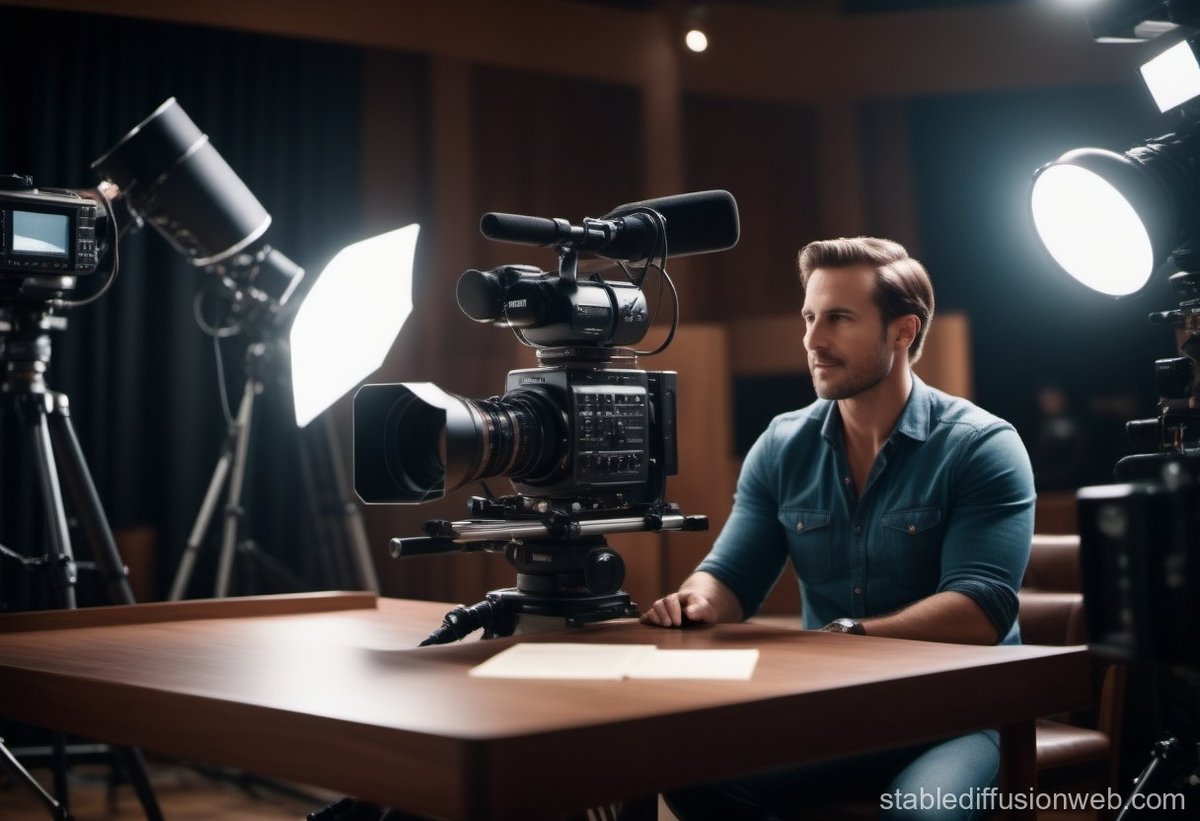
The glitz, the glamour, the finished masterpiece – that's what we usually see. But peel back the layers, and you'll discover the exhilarating chaos, the ingenious problem-solving, and the sheer collaborative will that fuels every frame. Behind-the-Scenes & Production Insights don't just pull back the curtain; they invite you into the very soul of creation, revealing filmmaking's hidden artistry in all its messy, magnificent glory.
This journey isn't just for film buffs. Understanding the inner workings of any creative or production process offers a masterclass in collaboration, problem-solving, and authentic storytelling. It’s about more than just a peek; it’s about fostering a deeper connection with the creators and the craft itself.
At a Glance: Why Production Insights Matter
- Authenticity is Gold: Modern audiences crave genuine connections and real stories, not just polished products.
- Builds Trust & Loyalty: Showing your process humanizes your brand or project, demonstrating values and ethical practices.
- Boosts Engagement: Interactive BTS content sparks conversation, creating a community around your work.
- Reveals the "How": It showcases the immense talent, effort, and intricate steps required to bring complex projects to life.
- Maximizes Impact: Strategic sharing and repurposing of BTS content broadens reach and strengthens your overall message.
Beyond the Frame: Why Behind-the-Scenes Content Matters Today
In an era saturated with highly curated content, what truly stands out? Authenticity. People are tired of perfect facades; they yearn for genuine stories, the kind that reveal the grit, the passion, and the real people behind the projects they love. This is where Behind-the-Scenes & Production Insights become invaluable.
Authenticity: The Modern Consumer's Craving
Think about it: when you see a brand or a creative team pull back the curtain, it feels like an honest conversation, not a sales pitch. This transparency creates an authentic connection that highly resonates with today's savvy consumers. It’s a chance to show, not just tell, who you are and what you stand for. For instance, if you're committed to sustainable practices, a BTS video showcasing your eco-friendly set design or material sourcing speaks volumes more than a mission statement ever could.
Building Trust and Community
Trust is the bedrock of any successful relationship, be it with an audience, a client, or a fan base. By openly sharing the challenges, the triumphs, and the everyday moments of your work, you build a profound sense of trust. Viewers begin to see the human effort, the dedication, and the passion that goes into every detail. This vulnerability fosters a vibrant community, transforming passive consumers into active advocates who feel invested in your journey. They become part of your story, not just observers.
Driving Engagement and Business Value
Beyond the warm, fuzzy feelings, behind-the-scenes content is a powerful strategic tool. It’s a catalyst for interactive engagement, sparking likes, shares, and comments that amplify your reach and visibility. This increased interaction doesn't just feel good; it drives tangible business value. By demonstrating your values and expertise, you establish thought leadership and foster deeper relationships that can lead to increased conversions and improved ROI. Tools like Google Analytics can help you track this engagement, allowing you to adapt your strategy and fine-tune what truly resonates with your audience.
Crafting Your Narrative: A Strategic Approach to BTS Content
Creating compelling Behind-the-Scenes & Production Insights isn't about aimlessly pointing a camera. It requires a thoughtful strategy, one that aligns with your goals and genuinely connects with your audience.
Understanding Your Audience: Who Are You Talking To?
Before you capture a single moment, take a beat to truly understand your audience. What interests them? What questions do they have about your process? Are they looking for technical deep-dives, or do they prefer lighthearted glimpses into team dynamics? Tailoring your content to their specific curiosities and interaction patterns is crucial for capturing their attention and fostering genuine engagement.
Collaborate for Diverse Perspectives
The beauty of production lies in its collaborative nature. Leverage this! In filmmaking, for example, a producer might highlight logistical hurdles, while a director shares their creative vision. A camera operator could explain a complex shot setup, and an editor might reveal the magic of assembly. Even a motion designer could showcase how a title sequence comes to life. Each team member offers a unique lens, enriching your BTS narrative with both technical craft and authentic human moments.
Measuring What Matters: Proving ROI
Authenticity is great, but results matter too. Incorporate measurement tools like Google Analytics to track how your BTS content performs. Which videos get the most views? Which blog posts spark the most comments? Understanding these metrics allows you to adapt your strategy, double down on what works, and continuously refine your approach for maximum impact and a solid return on investment.
Distribution Done Right: Spreading Your Story
Once you've crafted fantastic BTS content, don't let it gather digital dust. A robust distribution strategy is key.
- Owned Media: Share it on your blog, embed it in newsletters, and feature it prominently on your website.
- Earned Media: Great BTS content can naturally attract press coverage or be picked up by industry publications.
- Paid Media: Consider targeted ads to amplify reach to specific demographics.
- Influencer Collaborations: Partner with relevant influencers who can authentically share your story with their followers.
Repurposing for Maximum Impact
Why create content once when you can leverage it multiple times? A popular BTS video documenting a complex set build, for instance, can be repurposed into a blog post detailing the design challenges, an infographic visualizing the materials used, or a series of short social media clips showcasing different stages. This approach maximizes your content's impact and reach while minimizing the resources spent on creation.
Strategic Social Media Sharing: Platform by Platform
Different platforms cater to different audiences and content styles. Don't just blast the same video everywhere; adapt your content to each channel for optimal results.
- Instagram & TikTok: These are prime for short-form, visually dynamic clips. Think quick peeks at daily operations, rapid project updates, or humorous team moments. Their focus on immediacy and visual storytelling makes them perfect for conveying personality and fleeting insights.
- LinkedIn: Here, the tone shifts. LinkedIn is your stage for professional insights, thought leadership, and behind-the-scenes glimpses from a business or corporate perspective. Share process innovations, team challenges overcome, or professional development stories.
- YouTube: This is the home for your longer, more in-depth content. Use YouTube for comprehensive vlogs, mini-documentaries, or detailed tutorials that provide a complete look at creative processes or technical challenges. For instance, delving into the production insights of a complex series, like the intricate storytelling and technological advancements behind Star Trek TNG Season 5, offers a profound appreciation for the craft and is perfectly suited for YouTube's long-form capabilities.
The core principle across all platforms remains consistency and authenticity. Showcase your team's personality, celebrate successes, acknowledge challenges, and cross-post where appropriate, adapting your message and format to each unique audience segment.
From Concept to Cut: Deconstructing the Filmmaking Process
Filmmaking is often perceived as pure magic, but beneath the illusion lies an intricate, multi-stage process driven by collaboration, precision, and relentless dedication. Unpacking these production insights reveals the true artistry involved.
The Blueprint: Pre-Production's Meticulous Foundations
Before a single frame is shot, months, sometimes years, are spent laying the groundwork. This meticulous phase sets the entire project's course.
Script Development: The Story's DNA
At its heart, every film starts with a story. Screenwriters tirelessly refine dialogue, plot, and pacing, often through numerous rewrites. Feedback from producers, directors, and even early test screenings is crucial, leading to script adjustments that strengthen character arcs, eliminate plot holes, and polish the narrative until it gleams.
Location Scouting: Finding the Perfect Backdrop
Imagine a Western set in a bustling city. Doesn't quite work, right? Location scouts are detectives, traversing landscapes to find settings that perfectly match the story’s era, mood, and logistical requirements. They assess everything from natural light to local permits, ensuring the chosen sites are not only visually stunning but also practical for shooting.
Budgeting & Scheduling: The Financial and Temporal Choreography
Producers are the financial architects, meticulously allocating funds for everything from cast salaries and special effects to travel and catering. Simultaneously, schedulers craft intricate shooting plans, mapping out each day to optimize time and resources. This ensures every actor, crew member, and piece of equipment is precisely where they need to be, when they need to be, for maximum efficiency.
Worlds Apart: Production Design and Visual Storytelling
The visual identity of a film—its look and feel—is primarily the domain of production design.
Crafting Environments: From Concept to Set
Production designers are world-builders. Collaborating closely with the director, they translate concepts into tangible spaces, starting with evocative concept sketches and mood boards. Their crews then construct elaborate sets using materials like lightweight foam, wood, and paint, ensuring safety while maintaining aesthetic integrity. Today, digital tools even allow virtual walkthroughs, refining the vision before a single nail is hammered.
Costumes and Props: Details That Define
Every stitch, every object, tells a story. Costume designers delve deep into historical records or fictional cultures, selecting fabrics, colors, and accessories that reflect a character’s personality, status, and the film’s narrative arc. Prop masters are equally meticulous, sourcing or creating every item an actor interacts with, ensuring historical accuracy or fantastical believability.
The Human Heart: Casting and Actor Preparation
Even with the perfect script and stunning visuals, a film needs compelling performances.
Finding the Face: The Art of Casting
Casting directors are matchmakers, identifying actors whose talent, screen presence, and chemistry align perfectly with the role and artistic vision. This involves extensive casting calls, rigorous auditions, and crucial chemistry readings to ensure actors can convincingly embody their characters and interact authentically with one another.
Stepping into Character: Actor's Journey
The work for an actor extends far beyond memorizing lines. Many engage in intensive preparations, from method acting techniques that immerse them in their character's psyche, to extensive rehearsals, and specialized coaching for accents, combat sequences, or intricate dance routines. Their dedication brings depth and believability to the narrative.
Capturing the Vision: Camera Crews & Cinematography
This is where the story truly becomes visual, captured through the lens.
Painting with Light: The DP's Canvas
Cinematographers, or Directors of Photography (DPs), are visual artists. They collaborate with directors to design lighting schemes, select appropriate lenses, and choreograph camera movements that evoke specific emotions and enhance the storytelling. Whether it's the stark shadows of low-key lighting for suspense or the soft, natural light for realism, their decisions profoundly impact the final image.
Tools of the Trade: Cameras, Lenses, and Drones
Modern filmmaking employs an arsenal of specialized equipment. High-speed cameras capture breathtaking action sequences in slow motion. Wide-angle lenses expand landscapes, while telephoto lenses bring distant details into sharp focus. Drone operators capture stunning aerial shots, adding cinematic scope that was once impossible without expensive helicopters. Each piece of gear is chosen for its specific narrative contribution.
Navigating Challenges: Adapting on Set
The reality of a film set is often one of constant adaptation. Changing weather, unexpected technical glitches, or logistical nightmares are daily occurrences. Cinematographers and their crews must be quick-thinking, resourceful problem-solvers, capable of adjusting lighting setups or camera positions on the fly without compromising the artistic vision.
The Assembly Line: Post-Photography in the Edit Rooms
Once the cameras stop rolling, the real magic of shaping the narrative begins in the editing suite.
Weaving the Narrative: The Editor's Craft
Editors are storytellers with razor-sharp precision. They meticulously assemble scenes, trimming footage, adjusting pacing, and enhancing visual flow to ensure continuity and maximize emotional impact. Working hand-in-hand with the director, they refine every cut, often iterating through numerous versions. Test screenings provide vital feedback, revealing areas that might need further tightening or restructuring.
The Soundscape: Audio Design and Foley Magic
A film's impact isn't just visual; sound is equally critical. Sound editors layer dialogues, background noises (ambience), and musical scores to create an immersive audio experience. Foley artists are unsung heroes, meticulously replicating realistic sounds – from the crunch of footsteps on gravel to the rustling of clothes – bringing authenticity to every action on screen.
Bringing Worlds to Life: Post-Production Wizardry
After the initial edit, a team of specialized artists further refines and enhances the film, adding layers of polish and spectacle.
Visual Effects (VFX): Beyond Imagination
VFX artists are digital magicians, manipulating imagery to create fantastical creatures, explode entire cities, or transport characters to alien worlds. They seamlessly blend computer-generated elements with live-action footage, making the impossible utterly believable.
Voice and Tone: Dubbing, Voiceovers, and Animation
Clarity and accessibility are paramount. Voiceover artists provide narration, while dubbing artists record new dialogue to translate films into different languages. Animators breathe life into cartoon characters or complex digital elements, ensuring they move and emote with conviction.
Color Grading: Setting the Mood
Colorists are master painters, adjusting the tones, hues, and contrasts of every frame. A subtle shift in color can transform a scene from joyous to melancholic, from menacing to serene, ensuring the visual palette perfectly complements the film's emotional beats and narrative themes.
The Score: Music's Emotional Resonance
Finally, music composers weave original scores that amplify emotional beats, build tension, and provide critical narrative cues. The perfect soundtrack can elevate a good film to a truly unforgettable experience, connecting with the audience on a deeply visceral level.
Who Makes the Magic? Key Players in Filmmaking
The credits roll for a reason – filmmaking is a symphony of specialized talent. Here are just some of the key entities involved:
- Screenwriters: Craft the story and dialogue.
- Producers: Oversee logistics, funding, and overall project management.
- Directors: Guide the artistic and dramatic vision of the film.
- Casting Directors: Find the right actors for each role.
- Actors: Portray characters and bring the script to life.
- Cinematographers (DPs): Design and execute the film's visual style.
- Drone Operators: Capture aerial footage.
- Production Designers: Create the visual concept for sets and locations.
- Set Designers: Build and decorate sets based on the production designer's vision.
- Prop Masters: Source, create, and manage all props.
- Costume Designers: Design and create clothing for characters.
- Editors: Assemble footage, cut scenes, and shape the narrative flow.
- Sound Editors: Design and layer all audio elements.
- Foley Artists: Recreate realistic everyday sounds.
- VFX Artists: Create digital visual effects.
- Animators: Bring animated characters and elements to life.
- Colorists: Adjust and enhance the film's color palette.
- Music Composers: Create the original musical score.
Each role is vital, each contributing a unique skill to the grand tapestry of a film.
Beyond the Camera: Common Questions & Misconceptions About Production Insights
Stepping into the world of Behind-the-Scenes & Production Insights can spark a lot of questions. Let's tackle a few common ones.
Is BTS just for big studios or film sets?
Absolutely not! While blockbuster films offer dramatic examples, BTS content is incredibly powerful for any creative endeavor or business. Whether you’re a local bakery showing how you knead dough, a graphic designer revealing your creative process for a new logo, or a tech company demonstrating how a new feature is developed, the principles are the same: showcase your passion, expertise, and authenticity. It humanizes your brand, regardless of its size.
Doesn't showing BTS spoil the magic of the final product?
Quite the opposite! For many, understanding the "how" actually deepens their appreciation for the "what." Knowing the immense effort, the clever tricks, or the innovative solutions involved can enhance the magic, making the final product even more impressive. It turns appreciation into admiration, fostering a more profound connection with the artistry. Think of it like watching a master chef prepare a meal – seeing the intricate steps often makes the dining experience richer, not less magical.
How do I start creating BTS content if I have limited resources?
Start small and simple. You don't need a massive crew or expensive equipment. Your smartphone is a powerful tool.
- Identify moments: Look for interesting processes, team interactions, or unique challenges.
- Focus on storytelling: What narrative can you share? Keep it concise.
- Prioritize authenticity: Don't over-produce. Raw, genuine moments often resonate more.
- Experiment with platforms: Try short clips on Instagram, a quick process overview on LinkedIn, or a simple photo series on your blog.
- Involve your team: Ask colleagues to capture candid moments of their work.
Consistency over perfection is key in the beginning.
Your Next Act: Harnessing the Power of Production Insights
The world of Behind-the-Scenes & Production Insights is more than just a marketing trend; it’s a fundamental shift in how creators and brands connect with their audiences. It’s an invitation to authenticity, a masterclass in collaboration, and a testament to the power of human ingenuity.
Whether you're a filmmaker looking to share the intricacies of your craft, a business aiming to build deeper trust, or simply someone eager to understand the hidden mechanisms of creation, embracing BTS content offers unparalleled opportunities. Start by identifying the stories within your process, understanding what truly fascinates your audience, and then share those moments with genuine passion. The curtain has been pulled back—now it's your turn to step into the light and share the remarkable journey behind your finished masterpiece.